Everything You Need To Know About In-Home Emergency Alert Systems

You should feel safe and comfortable at home, particularly when you are older or dealing with a medical issue. Nevertheless, a mere fall, sudden illness, or a sudden emergency can soon transform the usual day into a stressful experience. It is not always possible to reach a phone, and waiting until someone can help can add to the risk of complications.
Luckily, in-home emergency alert systems today offer a quicker means of requesting help when every second counts. They also help families feel more confident knowing support is available around the clock.
This article describes how in-home emergency alert systems operate, who may use them, the features to consider, and how they facilitate safer independent living.
How In-Home Emergency Alert Systems Work
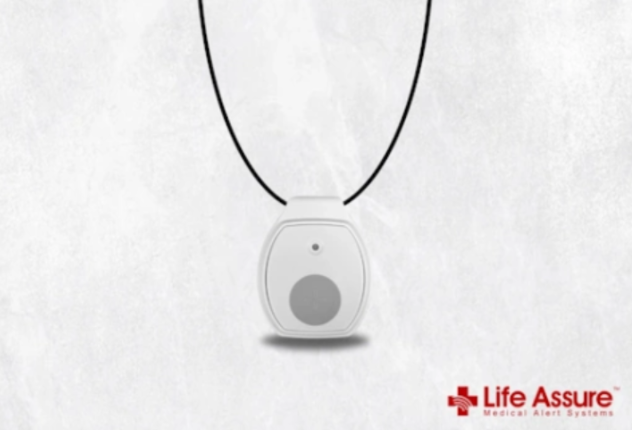
An in home medical alert device is a device that links you with emergency help when you press a button. A majority of systems consist of a wearable pendant or wristband and a base unit that is installed in your house. In the event of an emergency, the press of the help button establishes a two-way communication channel with a trained monitoring professional capable of evaluating the situation and sending the necessary help.
This simple process enables you to get assistance when you are not able to access a telephone. Whether you experience a fall, dizziness, chest discomfort, or another medical emergency, support is only a button press away.
Most of the in-home systems also feature water-resistant wearable buttons that enable you to be safe even when taking a shower, where most household falls take place. In addition, backup battery power helps the system remain operational during temporary power outages, ensuring reliable protection when you need it most.
Certain systems even provide optional automatic fall detection. In case a serious fall is detected and you cannot press the button, the monitoring center can still be notified to monitor your welfare. Although there is no technology that can prevent all falls, this added functionality will offer a second line of defense to those at higher risk.
Who Can Benefit Most From an In-Home Emergency Alert System?
Even though most individuals tend to associate medical alert systems with the elderly, they can serve a significantly broader group of patients. Every individual with mobility issues or health concerns can have access to emergency help at any moment.
As an illustration, the elderly who prefer to age in place usually appreciate the assurance of knowing that assistance is never far away. They can easily reach trained professionals whenever an emergency arises, as opposed to having to rely on family members or neighbors.
Similarly, people undergoing surgery or living with chronic illnesses might have periods of decreased mobility. They are assisted by having an emergency alert system so that they can seek help without having a hard time locating a phone.
Individuals who live alone can also gain a lot. Since no one may be nearby during an emergency, having direct access to a monitoring center reduces delays in getting help. Meanwhile, family members feel reassured that their loved one has a reliable method to reach out to help in case of necessity.
Features to Look for Before Choosing a System
Not all emergency alert systems have the same level of protection. Thus, it is possible to compare features and determine a solution that fits your needs and lifestyle.
First, seek two-way voice communication, evidently. By talking to a monitoring professional directly, the responders are able to get a better idea of your circumstances and dispatch the necessary help.
Secondly, think about the area that is covered within your house. The broader signal range will allow you to travel freely in and out of rooms without losing connection to the base unit.
Battery backup is another essential feature. Power outages are unpredictable, and to achieve continuous protection, it is advisable to select a system that will not stop functioning even in case of a power outage.
In the event that falls are a major issue, inquire about automatic fall detection. Even though the most accurate method of seeking assistance is by pressing the help button, automatic detection can still be of benefit at times when an individual is unable to respond on their own.
Wearable devices that are water-resistant are also essential since the bathroom is one of the most frequent places where falls can occur. A pendant that can be safely worn in the shower helps remove coverage gaps when engaging in riskier activities.
How Right System Supports Independent Living
Many people worry that using a medical alert system means giving up their independence. In reality, the opposite is often true. These systems make it easier to continue living confidently at home while knowing assistance is available if an emergency arises.
Instead of avoiding everyday activities out of fear, you can move around your home with greater confidence. Whether preparing meals, gardening, climbing stairs, or completing household tasks, immediate access to emergency assistance helps reduce uncertainty.
Family members also experience greater peace of mind. Rather than wondering whether someone will be able to reach a phone during an emergency, they know a dedicated support system is available around the clock.
Additionally, emergency alert systems encourage proactive safety planning. Combined with home modifications, regular health checkups, and fall prevention strategies, they become an important part of a comprehensive approach to healthy aging.
Conclusion
Whether you are planning for yourself or helping a loved one remain safely at home, selecting a reliable emergency alert system is a practical investment in long-term safety and independence.
